How Starting with Barriers to Learning Shaped Our Approach to Observations
Lee Lappin of Dundee and Angus College reflects on how CDN and HOW2’s Elevate LT programme helped shift observations from performative to developmental.
Share:



When the opportunity to take part in Elevate LT came up, we were already considering how we could approach professional development and observations differently, so the timing was ideal. Fully funded by College Development Network (CDN), the programme is designed to support professional learning and development across Scotland’s college sector.
What appealed to me about Elevate LT was the chance for educators to explore evidence-informed teaching approaches together: to ask questions about their teaching, try things out and learn from each other, both within the college and alongside colleagues from other colleges across Scotland.
As Director of Curriculum and Partnerships at Dundee and Angus College, I was also drawn to the support the programme could offer colleagues with different backgrounds and levels of teaching experience. Our educators come from a wide range of academic and professional backgrounds, and their starting points for professional learning vary considerably.
Elevate LT opened with a session introducing HOW2, a professional learning platform combining step-by-step visual guides to evidence-informed teaching techniques with an AI Assistant to support adaptation, and tools for collaboration and reflection.
The session focused on its Barriers to Progress tool, which helps educators identify and prioritise the barriers their learners are experiencing or the staff member is experiencing during teaching delivery.
The barriers are recognisable classroom challenges, which are then linked to practical teaching techniques that educators can explore and try. For example, if an educator identifies disruptive behaviour as a barrier, the tool directs them towards techniques designed to address that issue, providing a practical starting point for adapting their teaching.
For me, participation in Elevate LT was about shifting the emphasis from performative observations to developmental conversations. Starting with a barrier to learning gave us something concrete to explore together: what were learners finding difficult, which teaching approaches might help, and what could we learn from trying them? It was an invitation to try something new, rather than demonstrate activity that is already known.
Despite the participants’ different backgrounds and range of teaching experience, many recognised similar barriers to learning across departments. HOW2 gave us a level playing field, providing practical techniques colleagues could explore in response to those shared challenges.
Barriers as a Catalyst for Professional Learning Conversations
Starting with the barrier to learning itself, rather than the focus being on the lecturer, created a rich opportunity for professional dialogue, reflection and challenge.
For many educators, observations can feel like having to ‘pass a test’. Elevate LT helped normalise conversations around professional learning, so colleagues could experiment, reflect and learn from experience without judgement.
Following each Elevate LT session, we met as a group to unpack what we had explored. These conversations gave us time to take a deeper look at the barriers our learners were experiencing and match them to HOW2 techniques colleagues could try in their own teaching.
The HOW2 AI Assistant was an important part of this. It helps educators adapt evidence-informed techniques to their own context. Having that practical support gave our educators and mentors a desire to try something new out and then reflect on what happened. It was a meaningful continuous reflection-in-action approach.
We also used the GROW coaching model to structure our professional learning conversations: what did we want to achieve, what was happening now, which options could we explore, and what would we do next? This approach gave scaffolding to the discussions and helped frame the right coaching questions.
Revisiting the Craft of Teaching
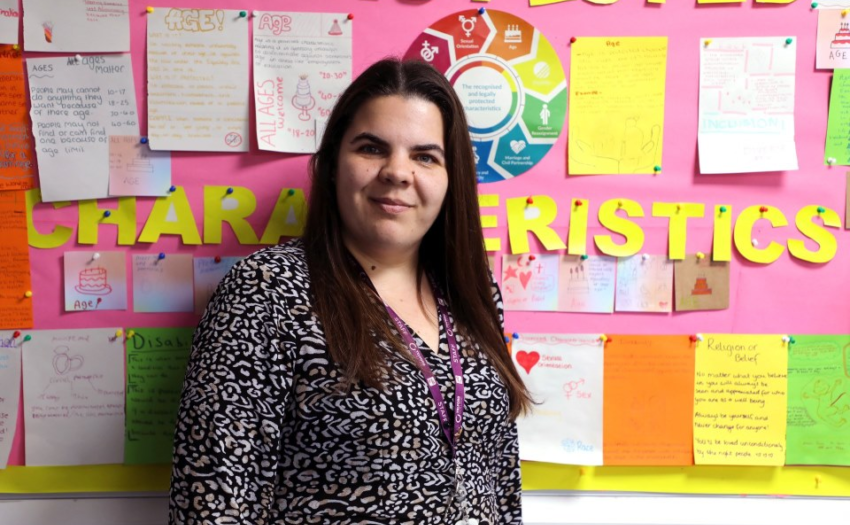
One colleague who took part was Elaine Meldrum, our Curriculum Quality Lead in Creative Arts, which offers routes into education and onwards to further study, art school or university.
Learners arrive with different experiences of education, levels of attainment and support needs, so helping each learner find a starting point and a route forward is central to the team’s work.
Elaine particularly valued the programme’s diagnostic approach: identifying a barrier, talking honestly about it and finding a teaching technique that might help. She described an experienced lecturer working with a Level 5 Introduction to Art and Design group who was encountering challenges around behaviour and emotional wellbeing. Having a specific issue to work on gave the tutor a starting point for exploring HOW2 and choosing an approach to try.
For Elaine, the platform was “like a shot in the arm”. It offered a chance to revisit the craft of teaching amid the demands of everyday work. As she put it: “It’s so refreshing to look at the craft of what we do and not get bogged down in the quagmire of the day-to-day.”
Elaine’s team explored teaching techniques including ‘Layout 1’ and ‘Layout 2’, considering how the organisation of the room could support their learners. Layout 1 proved particularly helpful with a lively group. They also used ‘Anonymous Assessment’, in which learners assess an anonymous piece of work containing deliberate mistakes against given success criteria. This helped colleagues discuss what a passable standard looked like and how to make that clear to learners.
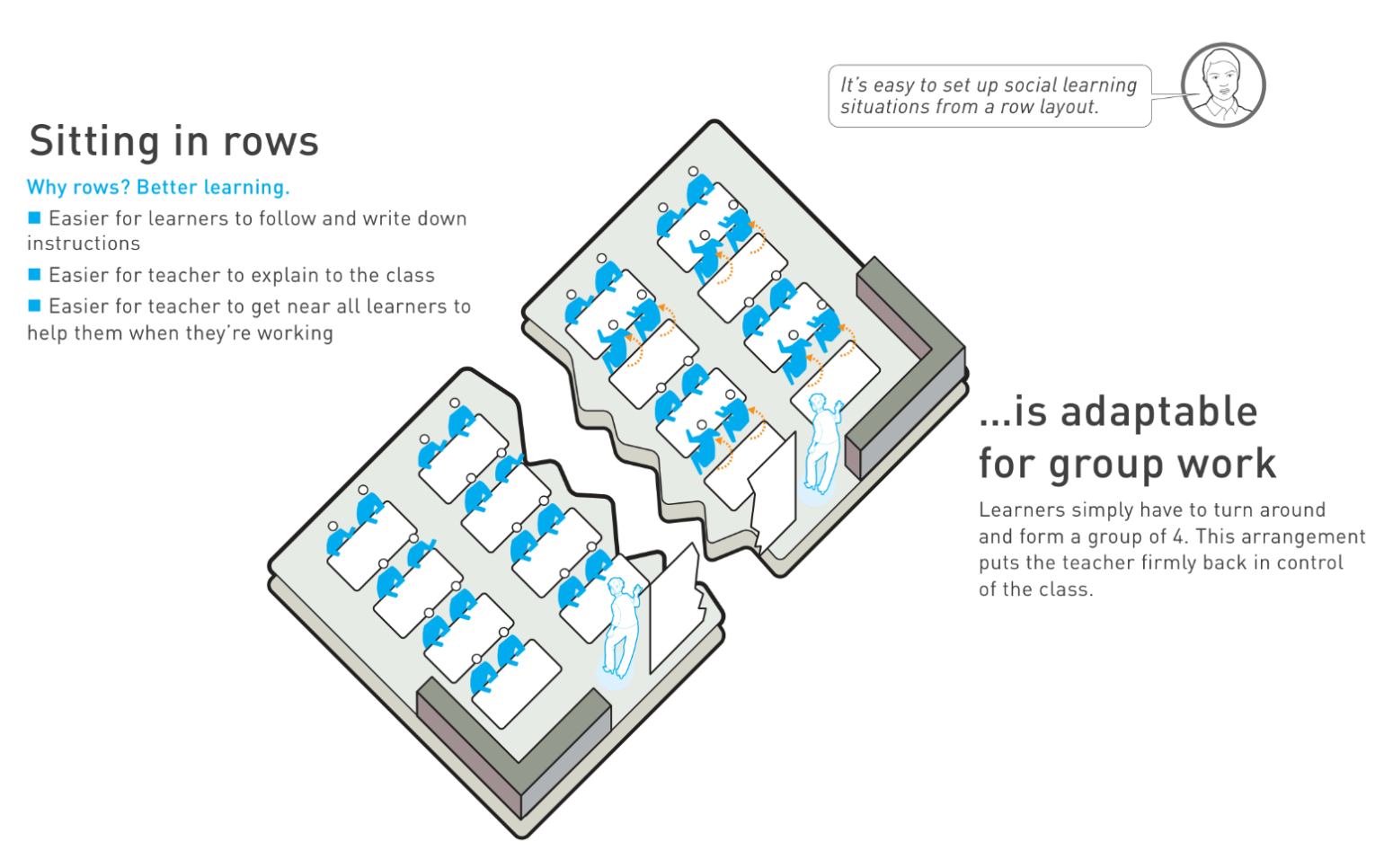
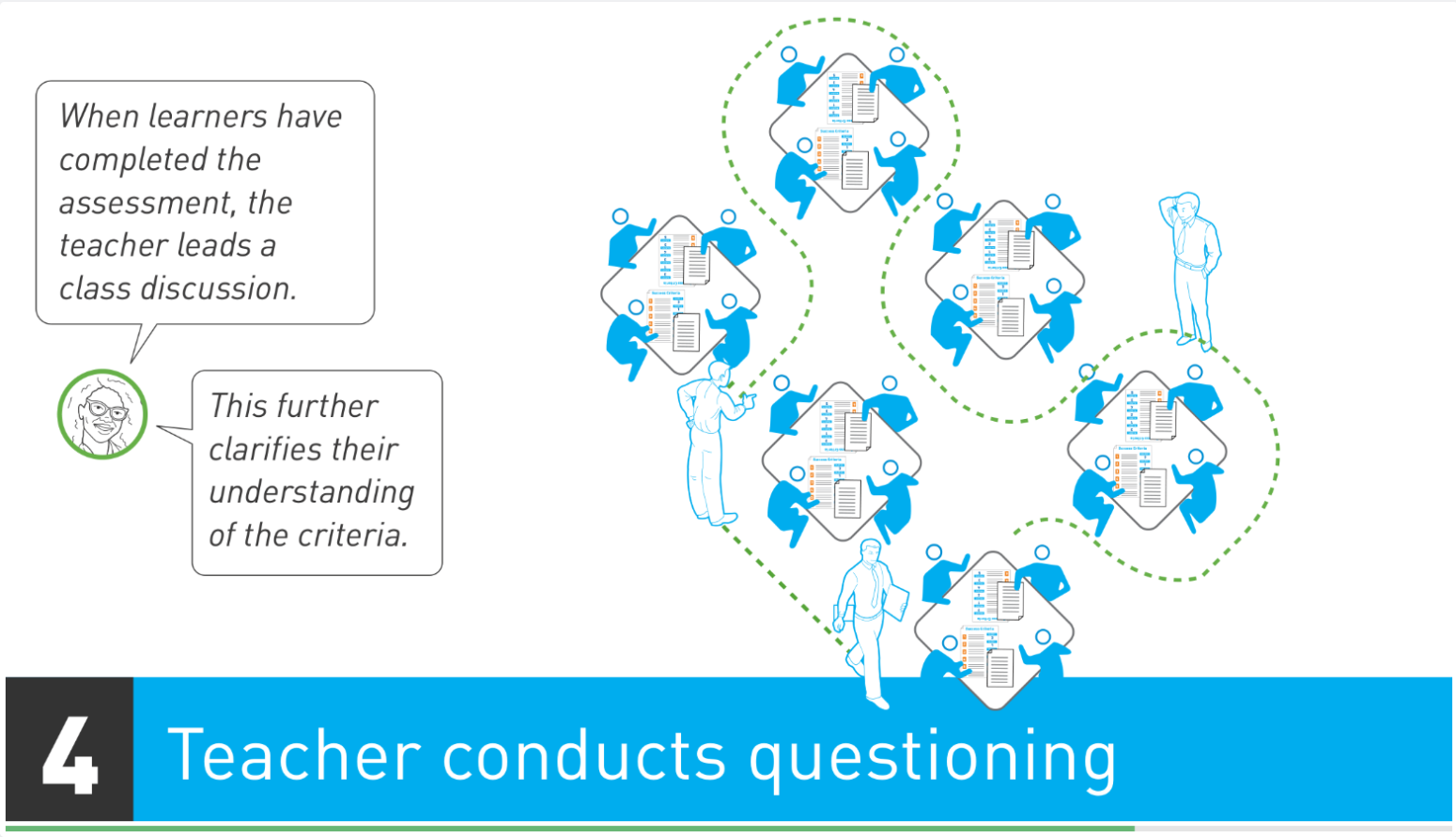
These techniques gave colleagues something concrete to discuss and adapt. “As art educators we have to be able to tinker with the techniques to fit,” Elaine explained. She also valued the clear infographics, which the team shared following the sessions.
The discussions after each session became opportunities to talk about pedagogy, share experiences and question familiar habits — conversations that can be difficult to make time for in everyday work. Elaine found these particularly helpful for colleagues new to the classroom, while also recognising their value for experienced educators.That willingness to look again at our own practice was part of what I hoped the programme would encourage. Elaine captured it in her own words: “The platform supports self-reflection. It deals with the alchemy of what we do.”
Creating Calm and Confidence in the Classroom
Another colleague who took part was Mel Stuart, who teaches in Essential Skills, Access and Supported Education. Her courses include life skills, gateway and IT essentials, working with learners who have a range of support needs, some of whom have just finished school. She specialises in trauma-informed support and is also an EIS learning representative.
With a background in high-tech, Mel was keen to explore the HOW2 Platform. She particularly valued being able to explore the techniques through both step-by-step infographic and presentation formats.One challenge she described was arriving at a classroom where learners were already playing video games. This put her on the back foot before the lesson had begun. After exploring ‘Entry Routines’ on the platform, she introduced a sheet for learners to collect as they came in. This brought consistency to the start of the lesson, made expectations clear and helped create calm and engagement. For Mel, that predictability mattered: learners could arrive feeling less overwhelmed, including those who might not reach out and ask for help.
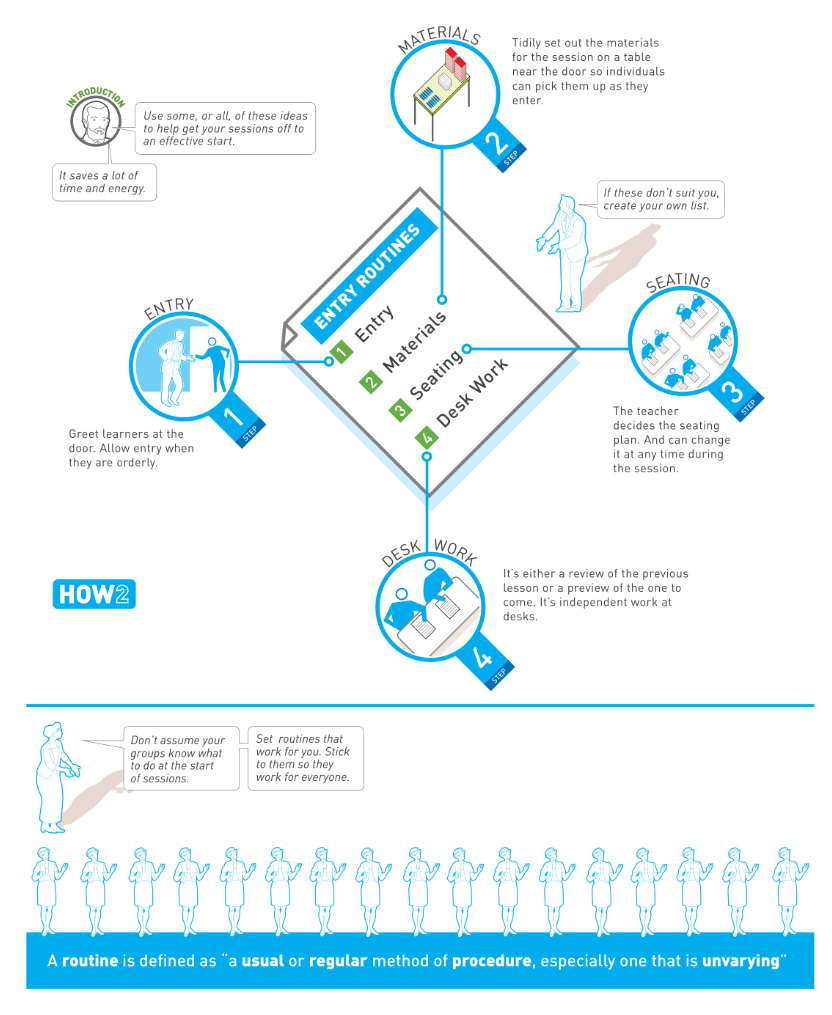
She also used the platform’s ‘Visual Instruction Plans’ to make an hour’s learning clear, setting out instructions, goals and assessment while keeping things simple. She explored ‘Checking for Understanding’ and ‘Working the Room’, with the latter supporting calm, slow and intentional movement around the classroom.
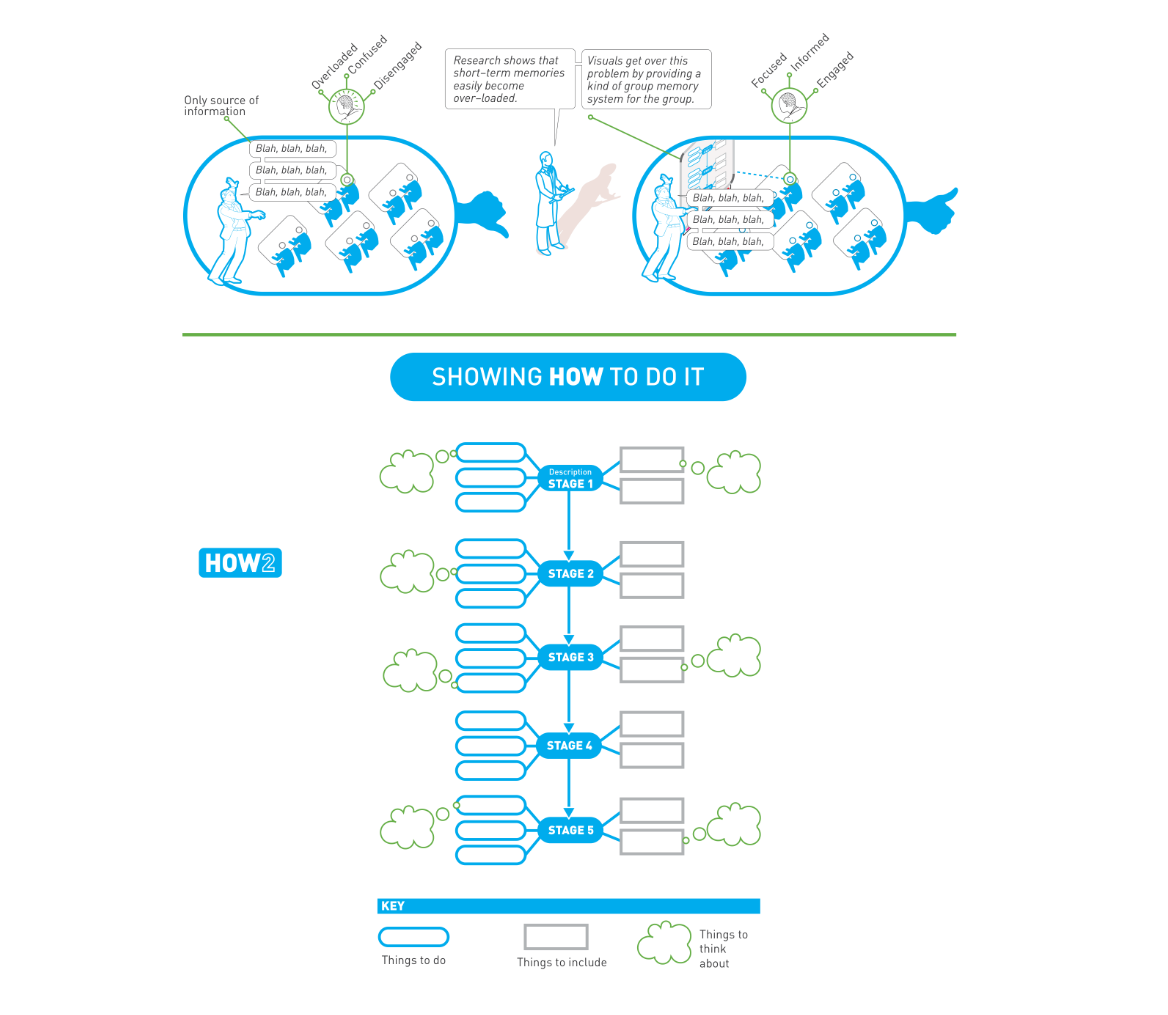
Mel felt the techniques gave her confidence while allowing her to respond flexibly as learners’ needs changed from lesson to lesson and week to week. She also valued the HOW2 AI Assistant’s support for adapting approaches to different teaching settings.
The opportunity to discuss these experiences with colleagues mattered too. Working part-time can be isolating, and sharing during the Elevate LT sessions helped Mel recognise that she was not the only person facing these challenges. Hearing about different classes, needs and behaviours gave colleagues a chance to learn from one another.
Her experience also brought us back to the purpose of observations. Having a peer come in to look at the HOW2 technique she was trying helped take the pressure off. The conversation immediately afterwards focused on the technique and what had happened in the classroom. For Mel, having those challenges recognised was validating.
For me, this illustrated what a developmental approach could offer: a practical focus for observation and space to talk honestly about the experience.
Participation in Elevate LT at Dundee and Angus College has more than doubled in its second year, with colleagues from the first cohort now acting as advanced practitioners to coach and support those taking part. We’re excited to be building on that experience by signing up to the HOW2 Platform and embedding its use across the college.

View Features and Benefits
Latest Insights
More Insights