Ian Harris, BA(Hons) PGCE, CEO
Chief Executive Officer and Founder Ian.harris@teachinghow2s.com
We use cookies for core functionality, multimedia content and collecting usage data to help us improve. Cookie Policy
From staffrooms and flip charts to the military, a cricket match, and one very unusual educator called Howard. Here’s what shaped the HOW2 Platform — and what continues to shape it today.
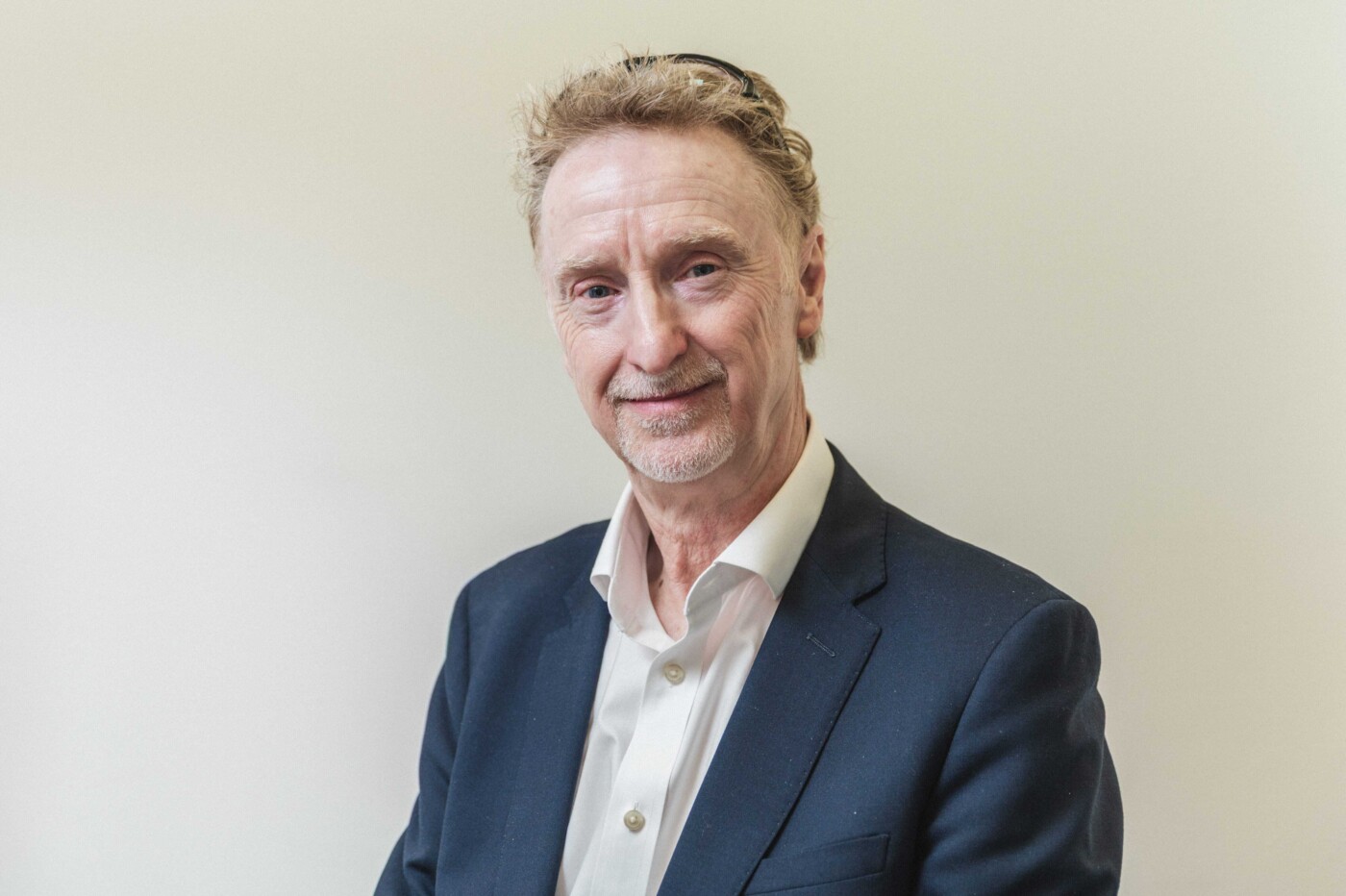
I’m Ian Harris, CEO of HOW2.
Before HOW2, I was a teacher, then a SENCO, supporting students with additional learning needs. Later, I spent more than ten years delivering evidence-based teaching training. Over 1,500 sessions, I met brilliant educators. But I kept coming up against the same problem: live training could only reach so many people.
Part-time educators often couldn’t attend. People left. New people arrived. You trained another group. And off you went again.
One day, watching a cricket match, my friend Mark pointed out that I had two choices. Train up an army of trainers. Or find another way. Maybe, he suggested, it was time to put the content online.
Obvious now. Less obvious then.
Putting HOW2 online made everything else possible. But being online isn’t what makes HOW2, HOW2. It’s just where it lives.
During my training sessions, I’d work with participants to create summary sketches on flip-chart paper, pin them to the walls and return to them throughout the day. The visuals helped us reach a common understanding in a way that words alone sometimes couldn’t.
Then, at a visual thinking conference in Berlin, we encountered the idea that “if you can’t draw it, you haven’t understood it.” As a child, I’d read thousands of comics.
Somehow the comics, the flip charts and Berlin came together. I started sketching evidence-based teaching techniques in a comic-strip-like way, making them quick, easy and accurate to learn. But making techniques easy to learn was only part of the problem.
I also kept thinking about the staffroom. When I started teaching in the late 1980s, it was somewhere we actually went during breaks. We didn’t always talk about teaching. Obviously. But there was an opportunity for it to happen. Which it did.
Later, working alongside teachers in classrooms, the professional learning that stayed with people often came from working things out together. HOW2 needed to give educators somewhere to do that: a shared space to learn with and from each other.
Something about my own role had also started to bother me. Organisations seemed dependent on visiting “experts” such as myself. Yet everywhere I went, I met brilliant educators. Much of the expertise those organisations were looking for was already there. It just wasn’t always visible.
I wanted HOW2 to help them capture and share it.
Our work with the Ministry of Defence brought another part of the picture into focus. The Army, Navy and Air Force trainers we worked with were brilliant at their craft. They’d been chosen to teach because of their expertise.
But knowing your subject and knowing how to teach it are two different things. Educators need support with both.
And then there was Howard.
Howard was an Army instructor. During one session, I noticed that he was already planning how to use the technique I was teaching in his next session. As I was teaching it. Howard was absolutely not normal!
Watching him, then talking to him afterwards, helped me understand something important. Making a technique easy to learn wasn’t enough. Before learning it, educators needed to see why it was relevant. Afterwards, they needed to work out how to adapt it to their subject, their learners and their teaching environment.
Howard seemed to do all of that instinctively. Most of us need some support. That became central to HOW2: helping educators identify what’s relevant, making techniques easy to understand, then supporting them to adapt and apply what they’ve learnt.
My experience as a SENCO shaped that thinking, too. Teachers were trying to meet many different learning needs within the same class. My instinct was to recommend techniques that helped all students, including those with additional needs, without adding to the teacher’s workload.
The more I could actively involve students in learning, the easier and more enjoyable my own teaching became.
Those experiences have stayed with me. Ultimately, professional learning is about what happens to learners. Can they understand what’s being taught? Can they take part?
We built HOW2 to make meaningful professional learning available to every educator, beyond a particular session, on a particular day, at a particular time.
And we’ve continued building it with the people who use it.
Their ideas have shaped tools for sharing expertise, recording professional learning and helping leaders understand engagement. The HOW2 AI Assistant now helps educators do something Howard did naturally: work out how to apply a technique in their own context, while keeping them in the driving seat.
Every organisation we work with has its own story, challenges and goals. We stay in touch. We listen. And when an idea could help others, we look at it.
HOW2 was shaped by the sector we serve. It still is.
Ian Harris
Founder & CEO
Chief Executive Officer and Founder Ian.harris@teachinghow2s.com
Executive Director of Strategic Partnerships Damian.rollinson@teachinghow2s.com
Director of Community, Teaching and Learning luke.zwalf@teachinghow2s.com

Director of Communications and PR Anne.burke@teachinghow2s.com
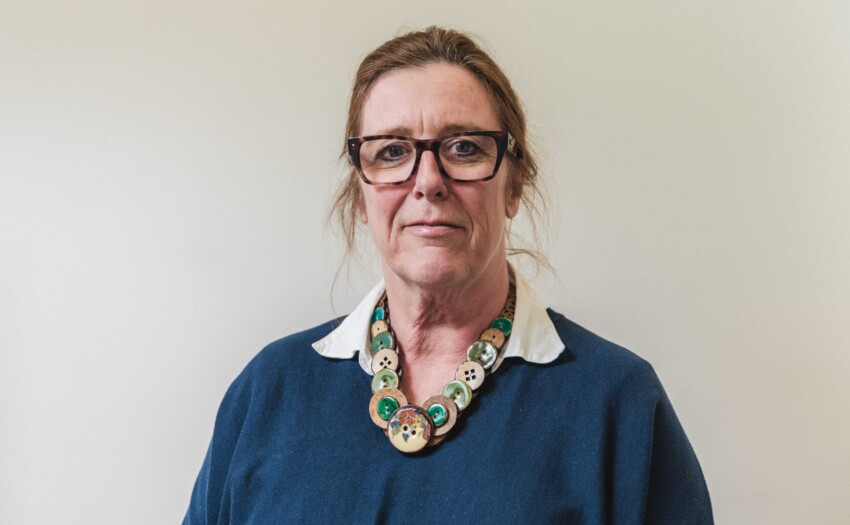
Director of Operations Nicky.dyer@teachinghow2s.com
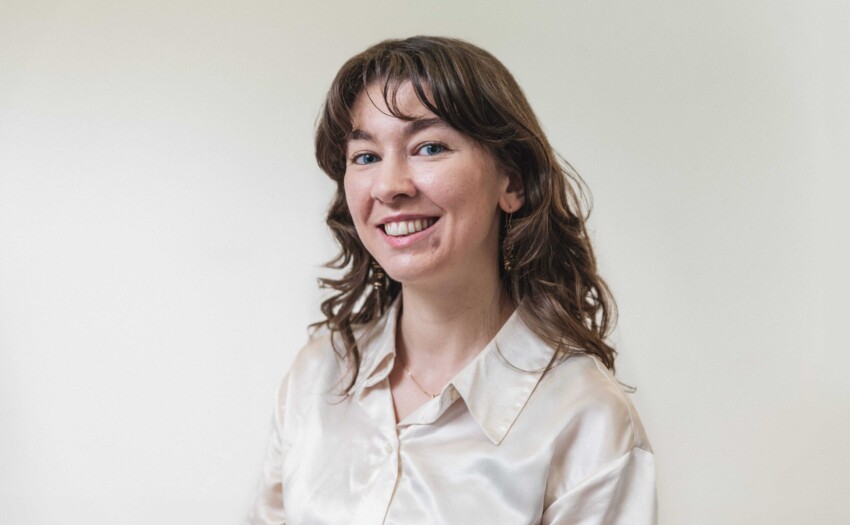
Communications Executive Anna.Cooper@teachinghow2s.com

HOW2 removes the need to wait for CPD and overcomes the limitations of one-size-fits-all sessions. It also eliminates the time barriers of quality assuring CPD resources, offering customisable, on-demand support for our diverse staff.
Group Director of Teaching, Learning, and Assessment